












Glossmen | Nm23
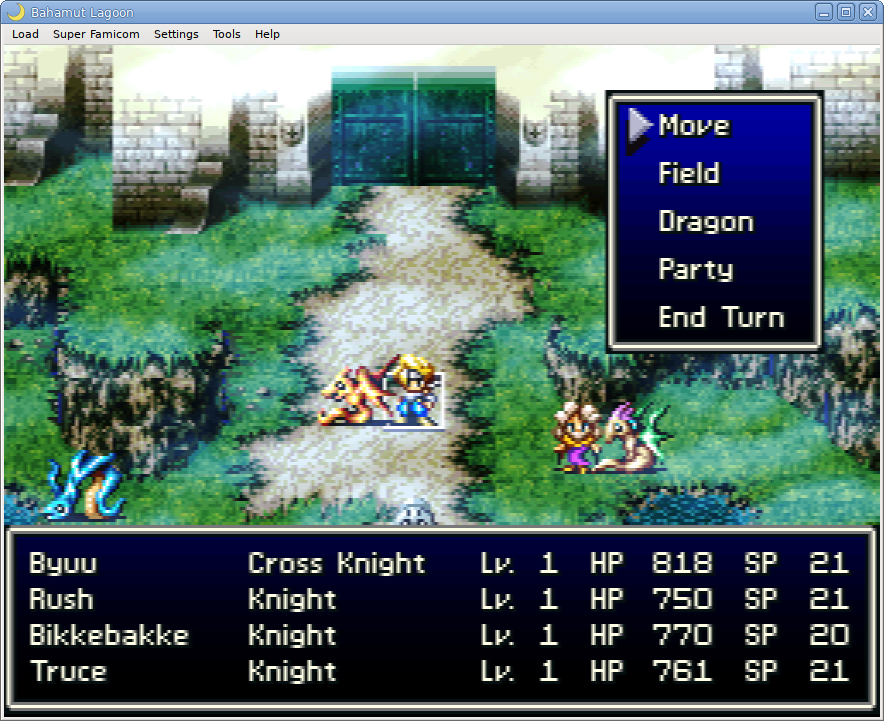
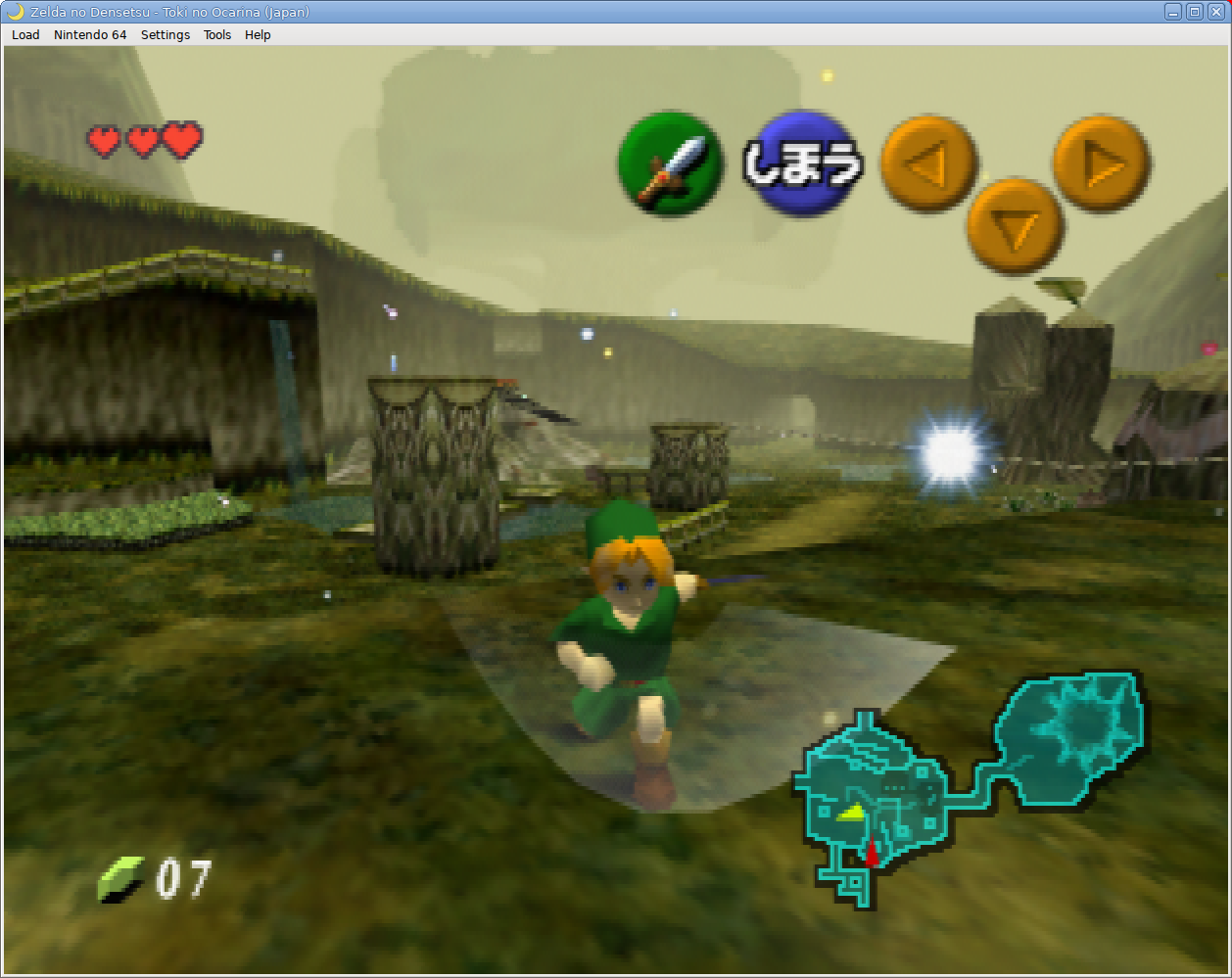
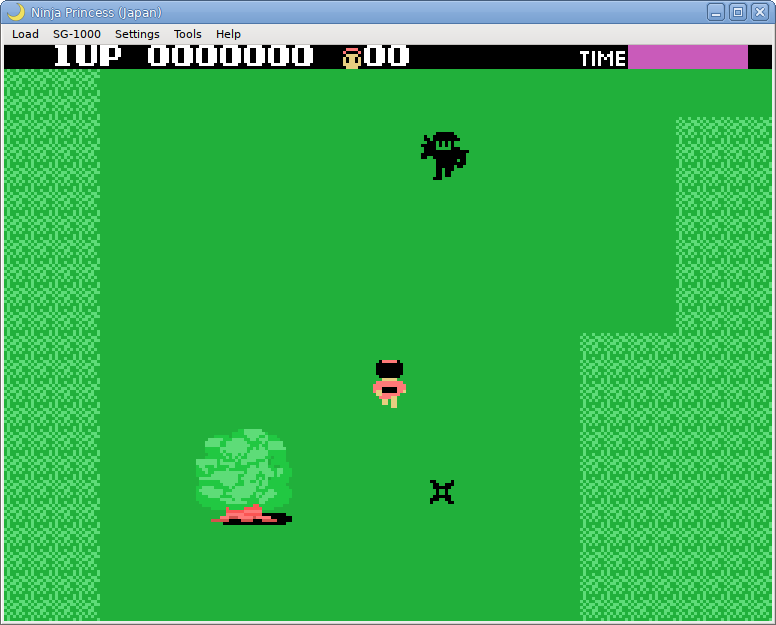
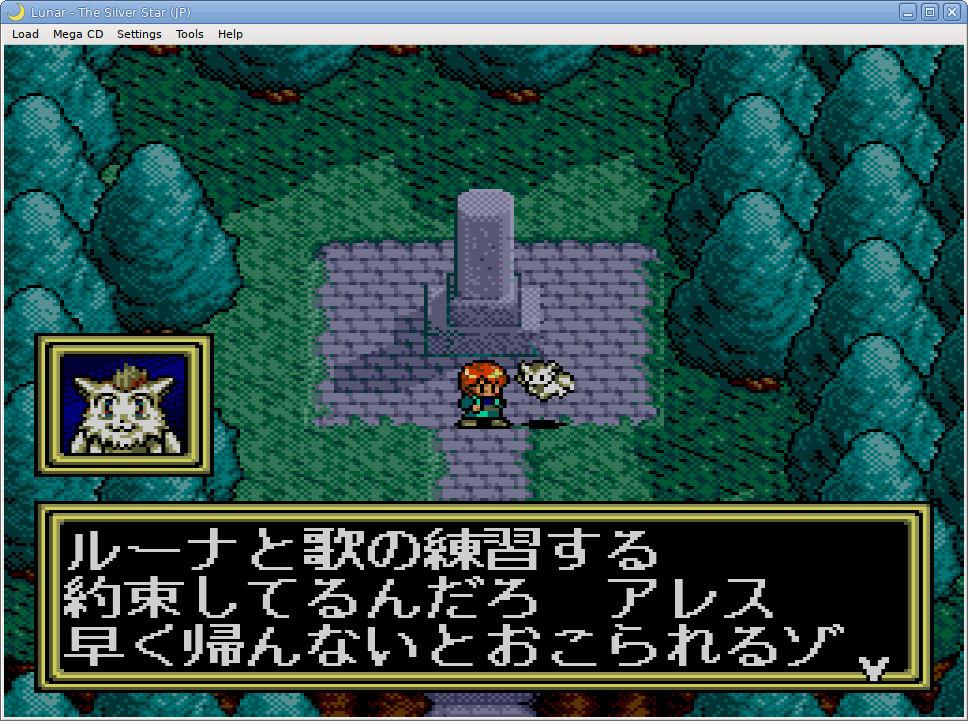
ares is a cross-platform, open source, multi-system emulator, focusing on accuracy and preservation.
ares v147 (2025-12-23 09:00:00)
ares is a cross-platform, open source, multi-system emulator, focusing on accuracy and preservation.
ares v147 (2025-12-23 09:00:00)
His end was the sort that made people sift through memories like relic hunters. It was quiet: a breath during a dawn walk, feet tangled in mud by the river. Some said it was the price of all the truths he’d shouldered; others said it was simply that the world had grown too bright for the shadows he preferred. The town mourned with the kind of noise that matters—shelves cleared to donate books he’d loved, a bench painted the exact shade of his jacket, a sign by the river that read: "Sit. Remember."
Glossmen’s talent was making things lucid. He could take a cramped argument and open it like a window; what rushed through was not always comfortable, but it let light in. He had a small, private code: you do not lie to someone about their own bravery; you do not sell a story without giving them a copy; you do not ask a question you are not ready to hear the answer to. That code earned him friends who were both improbable and devoted: a locksmith with a laugh like a kettle, an ex-teacher who kept a stash of forbidden fairy tales, a night-shift baker who swore Glossmen had once taught her to read shapes the way you read a face. Glossmen Nm23
After Glossmen Nm23 was gone, his satchel found its way back to the café where he’d first sipped bitter coffee. Inside were folded lists—names, fragments of sentences, half-inked maps—and one final thing: a small, careful set of instructions. "When in doubt," it read, "ask for the story behind the thing. Then listen as if it were your last task." His end was the sort that made people
Glossmen Nm23 moved through life like a stitched-together rumor: fragments of a name, a scent of old books, a walk that made streetlamps tilt toward him. He arrived in town on a wet Tuesday that smelled of citrus and old iron, carrying nothing bigger than a battered leather satchel and a reputation that refused to be pinned down. The town mourned with the kind of noise
People did listen. They told each other stories more often. They left benches for strangers, forgave debts with loaves of bread, and learned to hold hard truths without breaking. The town never agreed on what Glossmen had been exactly—a hero, a nuisance, a teacher—but it agreed on this: he had made them practice being human.
Glossmen was not a saint. He stole a coin now and then to feed a stray, lied twice—both times to spare someone a truth that would have made them small—and loved badly, which is to say he loved fiercely and without sufficient regard for consequence. He kept a stack of unsent letters to a woman who had left in winter; each letter contained a sentence he admired but could not yet deliver. Those letters smelled faintly of lemon and old paper and the kind of regret that keeps your hand warm at night.
His eyes were the kind that learned maps from listening. He would sit in cafés and listen to the way people arranged sorrow into syllables, then walk home humming patterns he could not quite keep. He taught children how to fold paper cranes into impossible birds and taught the elderly how to keep time with a metronome of story instead of clock. He fixed radios with a surgeon’s care and broke traffic cameras with a philosopher’s clarity—always for reasons that made sense only once you’d watched him work.
His end was the sort that made people sift through memories like relic hunters. It was quiet: a breath during a dawn walk, feet tangled in mud by the river. Some said it was the price of all the truths he’d shouldered; others said it was simply that the world had grown too bright for the shadows he preferred. The town mourned with the kind of noise that matters—shelves cleared to donate books he’d loved, a bench painted the exact shade of his jacket, a sign by the river that read: "Sit. Remember."
Glossmen’s talent was making things lucid. He could take a cramped argument and open it like a window; what rushed through was not always comfortable, but it let light in. He had a small, private code: you do not lie to someone about their own bravery; you do not sell a story without giving them a copy; you do not ask a question you are not ready to hear the answer to. That code earned him friends who were both improbable and devoted: a locksmith with a laugh like a kettle, an ex-teacher who kept a stash of forbidden fairy tales, a night-shift baker who swore Glossmen had once taught her to read shapes the way you read a face.
After Glossmen Nm23 was gone, his satchel found its way back to the café where he’d first sipped bitter coffee. Inside were folded lists—names, fragments of sentences, half-inked maps—and one final thing: a small, careful set of instructions. "When in doubt," it read, "ask for the story behind the thing. Then listen as if it were your last task."
Glossmen Nm23 moved through life like a stitched-together rumor: fragments of a name, a scent of old books, a walk that made streetlamps tilt toward him. He arrived in town on a wet Tuesday that smelled of citrus and old iron, carrying nothing bigger than a battered leather satchel and a reputation that refused to be pinned down.
People did listen. They told each other stories more often. They left benches for strangers, forgave debts with loaves of bread, and learned to hold hard truths without breaking. The town never agreed on what Glossmen had been exactly—a hero, a nuisance, a teacher—but it agreed on this: he had made them practice being human.
Glossmen was not a saint. He stole a coin now and then to feed a stray, lied twice—both times to spare someone a truth that would have made them small—and loved badly, which is to say he loved fiercely and without sufficient regard for consequence. He kept a stack of unsent letters to a woman who had left in winter; each letter contained a sentence he admired but could not yet deliver. Those letters smelled faintly of lemon and old paper and the kind of regret that keeps your hand warm at night.
His eyes were the kind that learned maps from listening. He would sit in cafés and listen to the way people arranged sorrow into syllables, then walk home humming patterns he could not quite keep. He taught children how to fold paper cranes into impossible birds and taught the elderly how to keep time with a metronome of story instead of clock. He fixed radios with a surgeon’s care and broke traffic cameras with a philosopher’s clarity—always for reasons that made sense only once you’d watched him work.