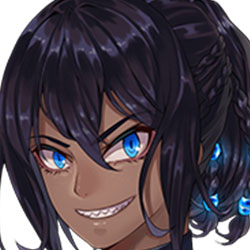
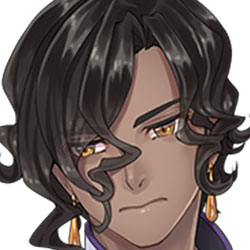
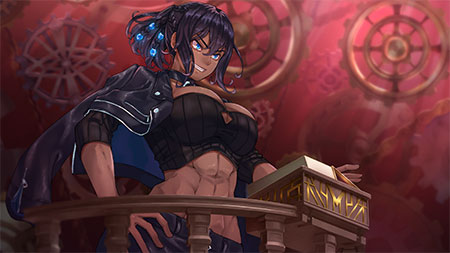
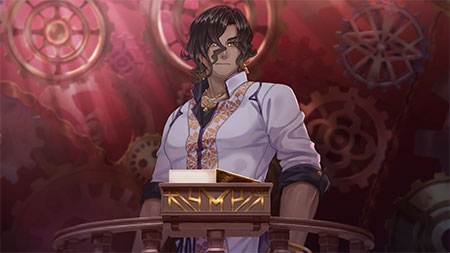
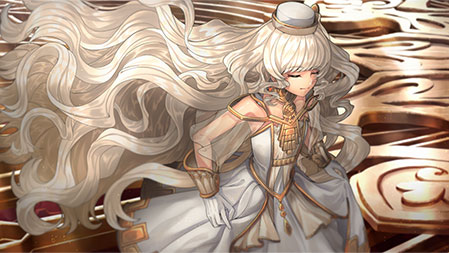
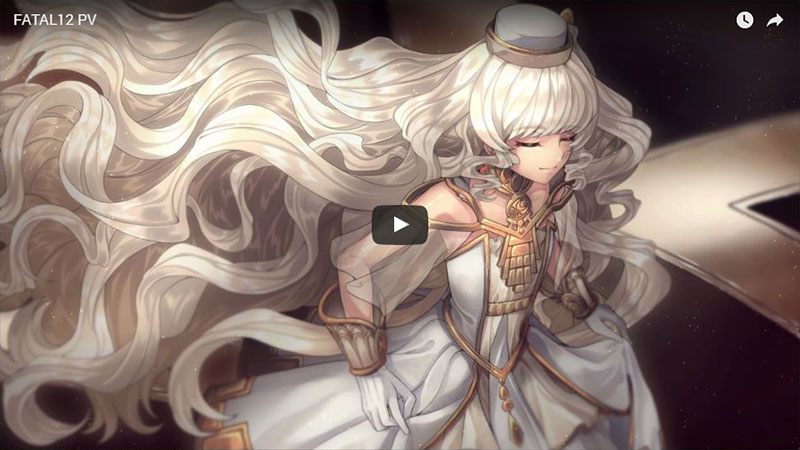
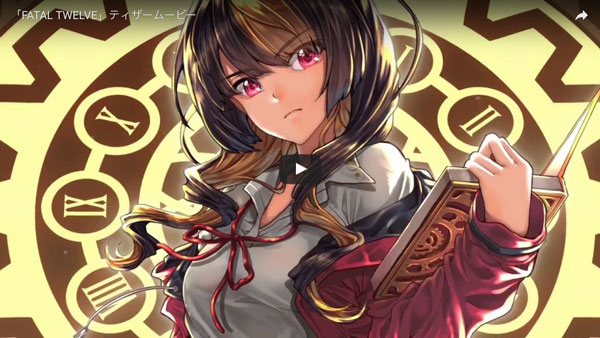
"Good evening, my lovely little slaves to fate."
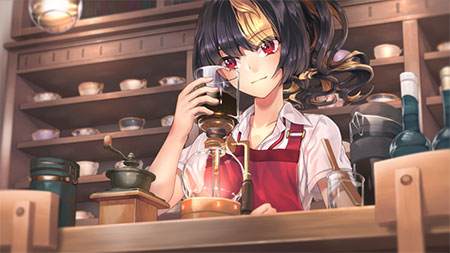
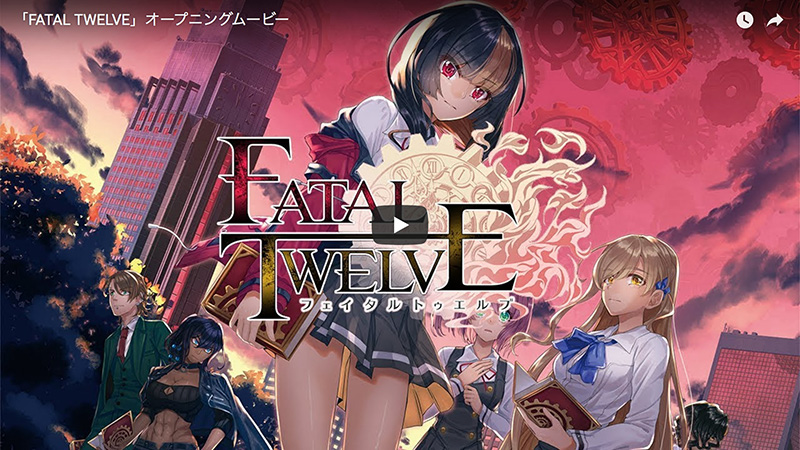
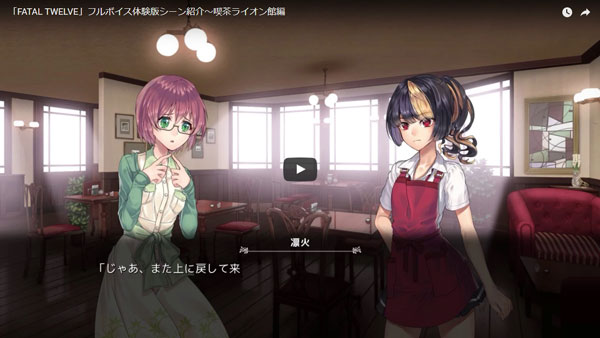
Shishimai Rinka was a highschooler who ran a small café named Lion House in place of her grandmother. She lived her life much like any other person her age, but one day, she was caught up in an explosion while returning home on the train alongside her friend, Hitsuji Naomi. In an attempt to save her friend's life, she shields her on instinct the moment the explosion goes off, losing her life in the process. However, before she knew it, she was back at Lion House, happily chatting with her friends as if nothing had happened in the first place.
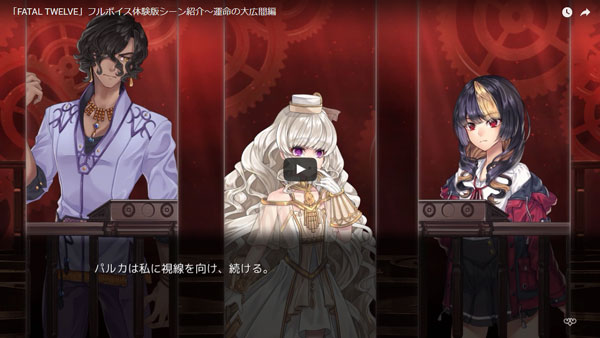
A few days later, she found herself in a strange world. Here she met Parca, an odd girl claiming to be a goddess. It turns out that she had somehow become a participant in Divine Selection, a ritual carried out over twelve weeks by twelve people, which allowed them to compete in order to undo their deaths. What shocked Rinka most of all, however, was the presence of her friend Mishima Miharu amongst the twelve.
In order to make it through Divine Selection, one must eliminate others by gathering information regarding their name, cause of death and regret in the real world, then "electing" them.
This turn of events would lead to her learning about the truth behind her death, as well as her own personal regrets. She would also come to face the reality that Miharu was willing to throw her life away for her sake, as well as the extents to which the other participants would go to in order to live through to the end.
Far more experiences than she ever could have imagined awaited her now, but where will her resolve lead her once all is said and done...?
The impact of rap on popular media is undeniable. From streaming services like Spotify and Apple Music to social media platforms and YouTube, rap music dominates the digital landscape. The genre's popularity has also led to the creation of new media outlets and platforms, such as rap-focused podcasts, blogs, and online magazines.
Rappers are continuing to break boundaries and push the limits of what is possible in the music industry. The lines between music, film, and television are becoming increasingly blurred, and rap is at the forefront of this shift.
Here's some text about rap, work, entertainment content, and popular media: rap video xxx 3gp download free work
Overall, the intersection of rap, work, entertainment content, and popular media has created a dynamic and ever-evolving landscape. As the music industry continues to adapt to changing technologies and consumer habits, one thing is clear: rap remains a powerful force in shaping popular culture and driving entertainment trends.
In recent years, the lines between traditional entertainment and social media have become increasingly blurred. Popular rappers now use platforms like Instagram, YouTube, and Twitter to share their music, connect with fans, and build their personal brand. This shift has democratized the music industry, allowing artists to reach a wider audience and gain exposure without relying solely on traditional media outlets. The impact of rap on popular media is undeniable
As a result, rap music has become a driving force in popular culture, influencing fashion, film, and television. Many rappers have expanded their careers into acting, with some achieving significant success on the big screen. Others have leveraged their fame to launch entrepreneurial ventures, such as record labels, clothing lines, and endorsement deals.
The rap music industry has become a significant part of popular entertainment, with many artists achieving widespread success and fame. For rappers, creating engaging content is crucial to building a loyal fan base and staying relevant in the competitive music landscape. Rappers are continuing to break boundaries and push
To produce high-quality rap music, artists often put in extensive work, honing their lyrical skills, experimenting with different beats, and collaborating with other musicians. This dedication and hard work have paid off for many rappers, who have become household names and amassed large followings across various media platforms.
The impact of rap on popular media is undeniable. From streaming services like Spotify and Apple Music to social media platforms and YouTube, rap music dominates the digital landscape. The genre's popularity has also led to the creation of new media outlets and platforms, such as rap-focused podcasts, blogs, and online magazines.

Rappers are continuing to break boundaries and push the limits of what is possible in the music industry. The lines between music, film, and television are becoming increasingly blurred, and rap is at the forefront of this shift.

Here's some text about rap, work, entertainment content, and popular media:
Overall, the intersection of rap, work, entertainment content, and popular media has created a dynamic and ever-evolving landscape. As the music industry continues to adapt to changing technologies and consumer habits, one thing is clear: rap remains a powerful force in shaping popular culture and driving entertainment trends.
In recent years, the lines between traditional entertainment and social media have become increasingly blurred. Popular rappers now use platforms like Instagram, YouTube, and Twitter to share their music, connect with fans, and build their personal brand. This shift has democratized the music industry, allowing artists to reach a wider audience and gain exposure without relying solely on traditional media outlets.
As a result, rap music has become a driving force in popular culture, influencing fashion, film, and television. Many rappers have expanded their careers into acting, with some achieving significant success on the big screen. Others have leveraged their fame to launch entrepreneurial ventures, such as record labels, clothing lines, and endorsement deals.
The rap music industry has become a significant part of popular entertainment, with many artists achieving widespread success and fame. For rappers, creating engaging content is crucial to building a loyal fan base and staying relevant in the competitive music landscape.
To produce high-quality rap music, artists often put in extensive work, honing their lyrical skills, experimenting with different beats, and collaborating with other musicians. This dedication and hard work have paid off for many rappers, who have become household names and amassed large followings across various media platforms.