vs
The 1960s and 1970s marked a turning point in the representation of mature women in entertainment. With the rise of feminist movements and changing social attitudes, films began to feature more independent, strong, and multidimensional female characters. Actresses like Bette Midler, Jane Fonda, and Helen Mirren emerged as powerful forces on screen, taking on leading roles in films that explored themes of identity, autonomy, and female empowerment.
The rise of female-centric films like "The Devil Wears Prada," "The Favourite," and "Book Club" has also showcased mature women as leads, with storylines that focus on their experiences, relationships, and personal growth. Television shows like "Sex and the City," "Golden Girls," and "Big Little Lies" have further expanded the representation of mature women, offering relatable, multidimensional characters that resonate with audiences. use and abuse me hot milfs fuck exclusive
In recent years, mature women have become more prominent and diverse in entertainment and cinema. The surge of female-led films, television shows, and streaming series has created new opportunities for mature women to shine. Actresses like Meryl Streep, Judi Dench, and Viola Davis have consistently demonstrated their range and talent, playing complex, nuanced characters that defy ageism and stereotypes. The 1960s and 1970s marked a turning point
The entertainment industry has long been a reflection of societal values and cultural norms. One significant aspect of this reflection is the portrayal and participation of mature women in cinema and entertainment. Over the years, the roles and representation of mature women have evolved, moving from marginal and stereotypical portrayals to more complex, dynamic, and empowered characters. The rise of female-centric films like "The Devil
In the early days of cinema, mature women were often relegated to peripheral roles or typecast into narrow stereotypes. They were frequently portrayed as grandmothers, mothers, or maiden aunts, with limited agency and depth. These characters were often depicted as being in decline, out of touch, or serving as comedic relief. The limited opportunities for mature women in film reflected the societal attitudes of the time, which undervalued and marginalized older women.
The representation of mature women in entertainment and cinema has undergone significant transformations over the years. From marginalization and stereotyping to empowerment and complexity, the industry has slowly but surely recognized the value and contributions of mature women. As the entertainment landscape continues to evolve, it is essential to celebrate and promote the diverse, dynamic, and empowered portrayals of mature women, ensuring that their stories, experiences, and talents are seen and appreciated by audiences worldwide.
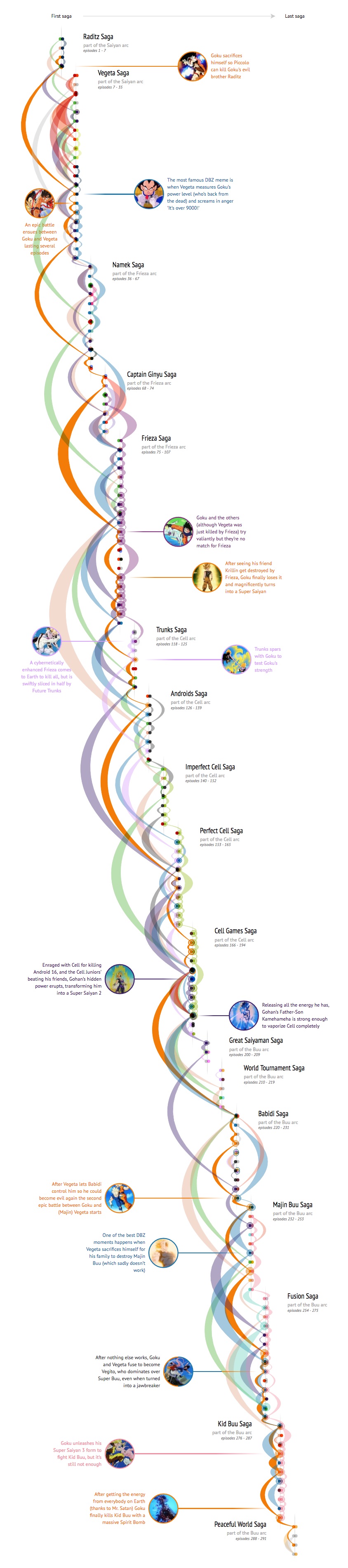
Extra interactivity on desktop The visual above is just an image, but on a large screen you see the full interactive and get the option to hover over each of the fights and character paths to see extra information about the fight; who was fighting whom, what was special about the fight and in what other battles did these characters fight.

Check it out behind your laptop / desktop as well for an even more detailed look into all fights that happened in Dragon Ball Z.
The fight info was taken from the Dragon Ball Wikia pages for each saga. For relevance, a few fights were taken out of the above visual; the Garlic Jr. and Other World Tournament filler sagas were completely removed. Also the ±5 fights that happened in the anime only and didn't feature any of the Z fighters, happened in a nightmare or flashback were taken out.
Created by Nadieh Bremer | Visual Cinnamon
Data from the very extensive Dragon Ball Wikia | Read about the design process in this blog